

 02 9649 2111


 14 Apr 2026
 Victor Hu
Share



Buying a mobility scooter can be life-changing. It helps you stay active in the community and maintain daily independence. But while most buyers are quick to jump straight to price comparisons, one important element is often skipped: a proper assessment by an occupational therapist (OT).
An OT assessment can ensure your new mobility scooter is safe, comfortable, and suited to your needs, which is why we often recommend one before you buy. With the right professional support, you can choose equipment that supports your mobility, comfort and long-term wellbeing.
Why an OT assessment can make a big difference
Mobility scooters may seem like a straightforward purchase, but choosing the right one involves more than simply selecting a model or colour you like. Everyone’s mobility needs are different, and factors such as existing health conditions, balance, posture, strength, height and weight, environment, and daily routines all influence which scooter will work best for you.
An occupational therapist can assess these factors and recommend equipment that suits your specific circumstances. Their role is to ensure your scooter improves mobility and independence while minimising potential safety risks.
An assessment can help identify:
- The correct scooter size and configuration
- Whether additional support or accessories are needed
- The safest way to operate the scooter
- Any environmental factors that could affect use
This professional guidance gives you confidence that your scooter will support your independence and comfort.
How occupational therapists help guide the process
Occupational therapists specialise in helping people participate safely in everyday activities. Their goal is to help you maintain independence and confidence in daily life.
When recommending mobility equipment, OTs take a holistic approach. They consider how you move, the environments you travel through, and what activities are most important to you. During an assessment, they may review:
- Your mobility and physical strength
- Your body shape, height and weight
- Posture and seating support needs
- Balance and coordination
- Cognitive or visual considerations
- The environments where you plan to use the scooter (e.g. indoors, outdoors, or both)
This valuable information allows the OT to recommend a scooter that meets your mobility needs and supports safe, comfortable travel.
For people accessing NDIS or My Aged Care support programs, an OT assessment and report are essential for equipment funding purposes. If you are feeling unsure what’s available to you, contact our team for more information and support. We can point you in the right direction.
Getting the right scooter size and setup
One of the most important outcomes of an assessment is ensuring the scooter fits your body correctly. If a scooter is too small, too large, or poorly configured, it can affect comfort and safety. A poor fit can even lead to fatigue, difficulty controlling the scooter, or an increased risk of falls when getting on and off.
An occupational therapist may recommend adjustments such as:
- Seat height, width, and positioning
- Armrest width, length, and support
- Handlebar placement
- Foot platform space
- Turning radius suited to your home or community
Even small adjustments can make a big difference to comfort and control. A well-fitted scooter lets you travel farther with less strain on your body.
Customising your scooter for your lifestyle
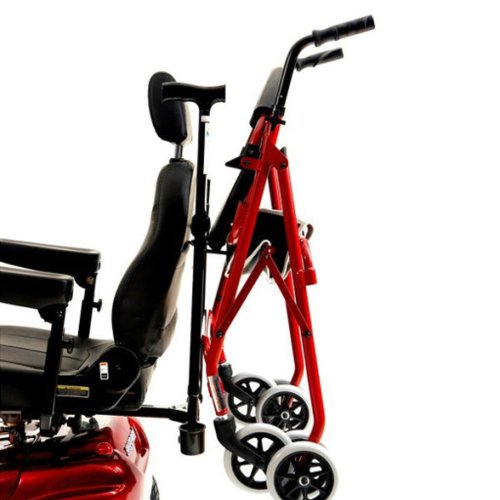
Mobility scooters are not one-size-fits-all devices. Many models offer optional features and accessories that improve usability depending on how and where you travel. During an assessment, an OT may recommend specific features that match your needs and environment, like:
- Enhanced suspension systems for outdoor terrain
- Swivel seating for easier transfers
- Storage baskets or bags for shopping trips
- Weather protection accessories, like sun canopies
- Lighting and high-visibility flags for improved visibility
- Walker carriers, oxygen bottle holders, and walking stick holders
These adjustments help ensure your scooter works seamlessly with your daily routine.
Considering where you will use your scooter
Where you plan to use your mobility scooter plays a major role in selecting the right model. For example, a portable scooter designed for indoor use may not perform well on uneven footpaths or longer outdoor journeys. Similarly, a heavy-duty outdoor scooter may be difficult to manoeuvre in smaller indoor spaces.
An occupational therapist may ask questions such as:
- Will you mostly travel around your neighbourhood?
- Do you plan to use your scooter in shopping centres?
- Are there steep slopes or uneven surfaces near your home?
- Will the scooter need to fit inside a vehicle for transport?
Answering these questions helps determine the appropriate scooter size, speed and battery capacity. Plus, in New South Wales and most other Australian states, mobility scooters are generally treated as pedestrians. You’re still expected to follow the footpath and pedestrian safety guidelines!
Learning how to use your mobility scooter safely
Operating a mobility scooter is relatively simple, but proper training can help you use it safely and confidently. During the assessment or delivery process, you may receive guidance on:
- Starting and stopping safely
- Managing speed in busy areas
- Navigating slopes and kerbs
- Turning in tight spaces
- Charging and maintaining the battery
This training can make a big difference to your confidence, particularly if you are using a scooter for the first time.
Maintenance and ongoing support
Buying a mobility scooter is not just a one-time decision. Regular maintenance is essential to ensure your scooter continues operating safely and reliably. After purchasing a scooter, your occupational therapist or equipment provider may provide guidance on ongoing care, like:
- Checking tyre condition
- Monitoring battery performance
- Inspecting brakes and controls
- Scheduling regular servicing
Routine servicing helps identify potential issues early and ensures your scooter remains safe to use. If you need servicing or repairs, Active Mobility provides equipment maintenance and support through our experienced technicians—you can even make recurring appointments to ensure your scooter is serviced on a regular basis!
Finding support near you
If you are considering a mobility scooter, visiting a showroom can be a helpful first step. It allows you to explore different models, ask questions and discuss your needs with experienced mobility specialists.
Active Mobility has showrooms in Silverwater (Sydney), Thornton (Newcastle/Hunter Region), Tuggerah (the Central Coast), and Warana (the Sunshine Coast), where you can speak with knowledgeable team members, occupational therapists, and explore available products.
Plus, we offer product education sessions that help health professionals, support workers, and carers understand equipment features, safe setup, and best-practice use, so you and your support network know how your scooter works!
Choosing the right mobility scooter starts with the right advice
Buying a mobility scooter is an important step toward greater independence and freedom. While it may be tempting to choose a model based solely on price or appearance, taking the time to complete an occupational therapist assessment can make a significant difference.
An assessment helps ensure the scooter fits your body correctly, supports your mobility needs and suits the environments where you plan to use it. With professional guidance, you can also explore helpful adjustments, accessories and safety considerations that improve comfort and confidence when travelling.
If you are considering a mobility scooter, the team at Active Mobility can help guide you through the process. You can explore our range of mobility scooters online, visit a showroom using our store finder, or speak with our team to arrange an assessment or product education session in your home or community. Our team can complete equipment trials at your home to ensure you receive the right scooter for your needs.
With the right support and equipment, a mobility scooter can help you stay active, connected, and independent in your everyday life.