


 02 9649 2111


 16 Jun 2026
 Victor Hu
Share


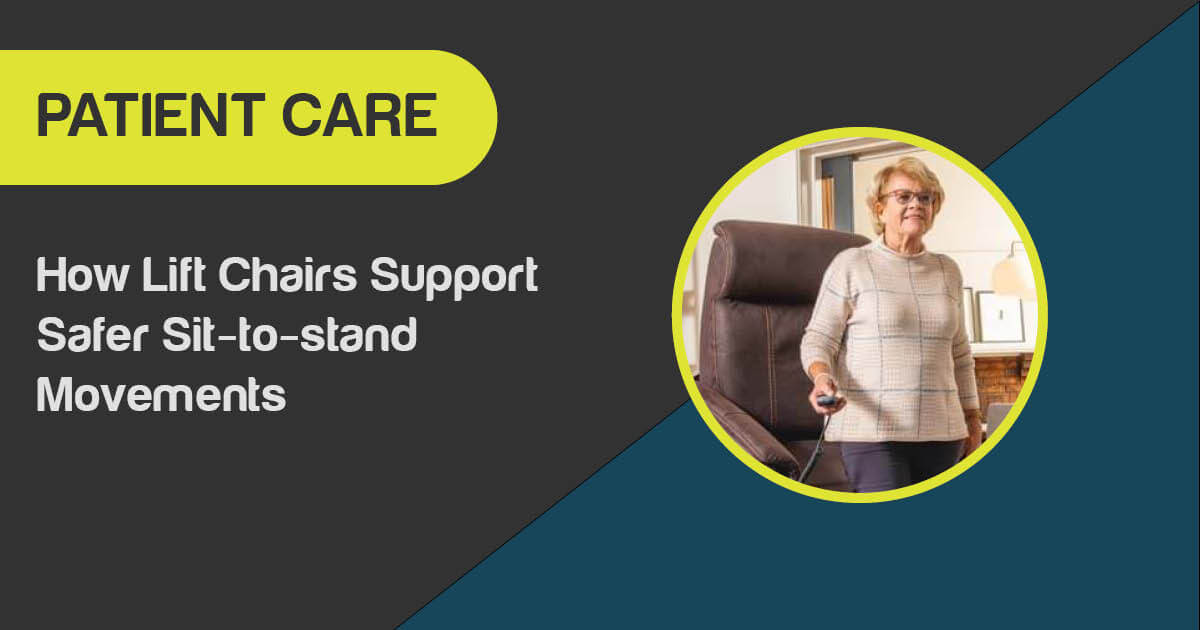

Getting in and out of a chair can become one of the hardest parts of the day. What used to feel automatic can start to feel slow, uncomfortable, or even risky. For older adults and people with disabilities, reduced leg strength, balance issues, pain, fatigue, or decreased mobility can all make sit-to-stand movements harder to manage safely.
That is where lift chairs can make a real difference.
A lift chair is designed to gently raise and tilt forward, helping the user move from sitting to standing with less strain. Instead of pushing hard through the knees, hips, or arms, the chair does more of the work. This can reduce effort, improve confidence, and lower the chance of slips or falls during transfers.
Why safer sit-to-stand support matters
Sit-to-stand movements happen constantly throughout the day. Getting up for meals, using the bathroom, answering the door, or moving to bed all rely on the same basic transfer. When that movement becomes unsafe, the flow-on effect can be significant.
People may start avoiding movement because they are worried about falling. Family members may begin offering more physical help than they can safely provide. Support workers may also need to spend more time assisting with simple daily tasks. Over time, this can affect independence, confidence, and comfort at home.
Lift chairs help by creating a more controlled transfer. The chair elevates and tilts forward to place the user in a better position to stand, rather than forcing them to rise from a low, static seat.
That support matters from a safety perspective because transfers are often where instability first shows up. A person may manage short walking distances with a mobility aid but still struggle when getting out of a lounge chair that is too soft, too low, or too hard. A suitable lift chair can reduce that problem and make everyday transfers more predictable.
How lift chairs reduce strain and improve stability
The biggest safety benefit of a lift chair is not just that it lifts: it is that it supports transferring movements more effectively.
When someone stands up from a regular chair, they often need to lean forward, push through their legs, and use momentum to rise. If they have limited strength or pain in the knees, hips, shoulders, or back, that movement can become awkward and unsafe. Some people pull on nearby furniture. Others push unevenly through one side of the body. Both can increase the risk of a stumble.
A lift chair helps in a few key ways:
- It reduces the amount of force needed to stand
- It supports a smoother transition from sitting to standing
- It helps the user mobilising from a better position
- It can make transfers less tiring across the day
- It may reduce the need for manual assistance from others
This is also why fit and positioning matter. A chair that offers the right seat size, back support, leg support, and powered adjustment can do more than just help a person stand. It can help them sit better in the first place, which supports safer movement when they are ready to get up.
What the number of motors means in a lift chair
Not all lift chairs move in the same way. One of the most important differences is the number of motors the chair has.
In simple terms, more motors usually means more independent movement. That can improve comfort, but it can also improve safety because the chair can be adjusted more precisely to the user’s positioning and transfer needs.
Single-motor lift chairs
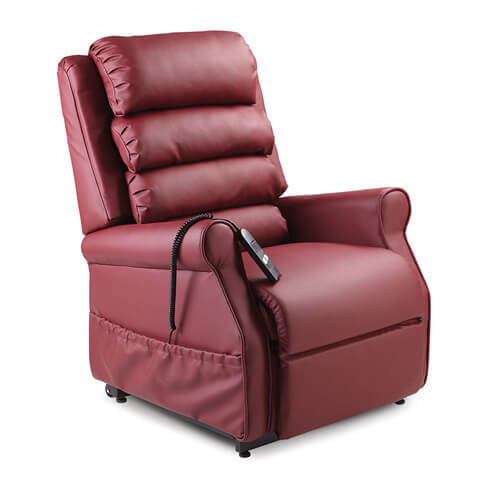
Single-motor lift chairs are designed for reliable support and comfort with smooth reclining and lifting. These are often a simpler option, with the backrest and footrest moving as one .
From a safety point of view, a single-motor chair may suit someone who needs basic assistance getting in and out of the chair but does not need many separate positioning options.
Dual-motor lift chairs
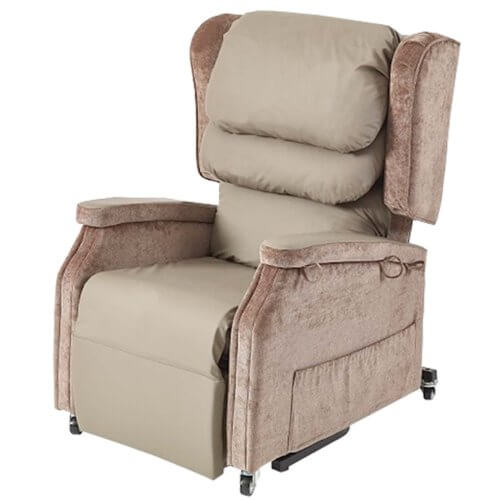
Dual-motor lift chairs generally give you more flexibility than single-motor models. The extra adjustability can help users find a position that is easier on the body before standing. It can also provide increased postural support options for people who spend longer periods seated and need more comfort throughout the day.
Triple-motor lift chairs
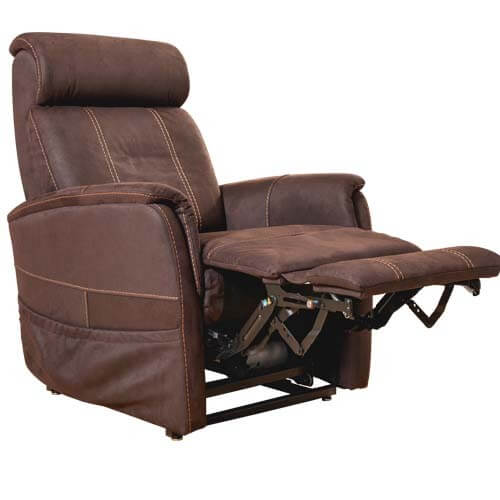
Triple motor lift chairs offer individualised positioning and advanced support. This can be valuable when a user needs more tailored positioning because of pain, fatigue, swelling, posture, or complex support needs. A more adjustable chair can make it easier to prepare for standing safely rather than rising from a poor seated position.
Quad-motor lift chairs
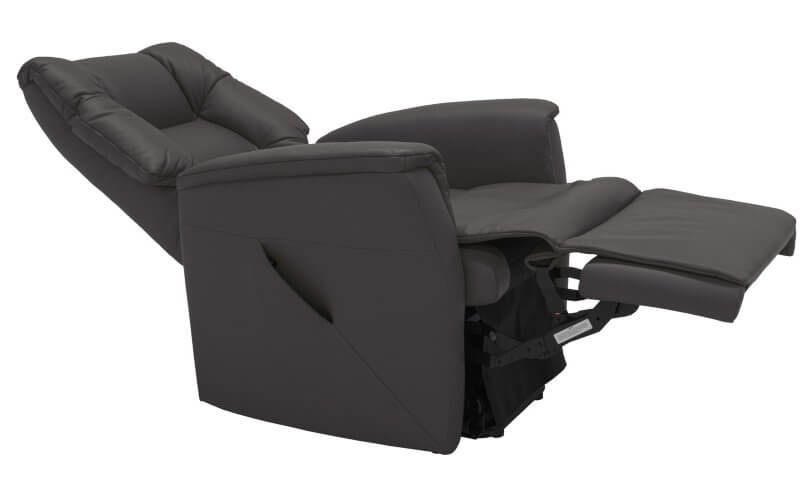
Quad motor lift chairs offer independent control of the backrest and footrest for a tailored, supportive seating experience. Additional lumbar and head support can also be adjusted for improved posture and comfort. For some users, that extra control is not just about luxury. It can help them maintain comfort, manage pressure, and better position their bodies throughout the day. When the seated position is better, the transfer out of the chair is often better too.
The right choice depends on the person. A more complex chair is not automatically the best chair for you. The safest lift chair is the one that matches your body, environment, and daily needs.
Choosing a lift chair with safety in mind
When comparing lift chairs, it helps to look beyond appearance and think about how the chair will perform in real life. Important safety considerations include:
- Seat height and depth
- Chair width and overall size
- Weight capacity
- Stability during lift and recline
- Ease of using the hand control
- The smoothness of the lift action
- Battery backup in case of a power outage
- Whether the chair offers enough support for the head, back, legs, and lumbar region
It is also worth thinking about the person’s home environment. The safest lift chair still needs to fit the room properly, allow enough clearance for recline and leg elevation, and suit the way the person transfers day to day.
This is why advice and trials matter. We offer in-home product trials, showroom access, and support from Occupational Therapists and Product Specialists to help you find suitable equipment and achieve better outcomes.
Product highlight: Oslo Admiral Lift Chair
The Oslo Admiral Lift Chair combines Scandinavian design with exclusive patent technology to deliver the safest and most easily operated lift chair on the market. Its safety and ease of operation come from a patent design that keeps the chair base stable as the seat and back are raised. That kind of stability matters during sit-to-stand movement because it helps create a more secure transfer.
The Admiral also offers several features that support safer daily use:
- Powered lumbar, head, back, and leg support for more positioning options
- A battery backup transformer so the user can exit the chair during a power outage
- Large hand-held controls with oversized buttons
- Cold-cure moulded foam around a steel structural frame for durability and long-term comfort
- Standard and large sizes to better match the user’s body
- A safe working load of 120 kg
For those who need more than a basic rise-assist chair, these details can make a meaningful difference. Better support throughout the day can help reduce discomfort and fatigue. Better positioning can make transfers easier, and built-in stability can also help you feel more secure each time you move.
Safer transfers start with the right advice
Lift chairs are not one-size-fits-all. The right model depends on the person using it, how much support they need, how long they spend in the chair, and what type of movement feels safest and most comfortable.
For some people, a single-motor model may be enough. For others, a dual, triple, or quad-motor chair may offer better positioning and more practical support throughout the day. The key is choosing a chair that supports the whole transfer process, not just the final moment of standing up.
At Active Mobility, customers can book a showroom appointment to see products in person and discuss options with the team, including Occupational Therapists and Product Specialists. Plus, if you need help after purchase, we also provide service and repair support.
If you are exploring lift chairs for yourself, a family member, or a customer, contact Active Mobility to talk through the options. You can visit a showroom, arrange a product trial, ask about repairs and ongoing support, and get help finding a solution that makes everyday sit-to-stand movements safer and easier.