


 02 9649 2111


 21 Aug 2026
 Kristina Webb
Our latest guide explains what maintenance lift chairs require, what warning signs to look out for, and how regular servicing can help keep your equipment safe and reliable.
Share




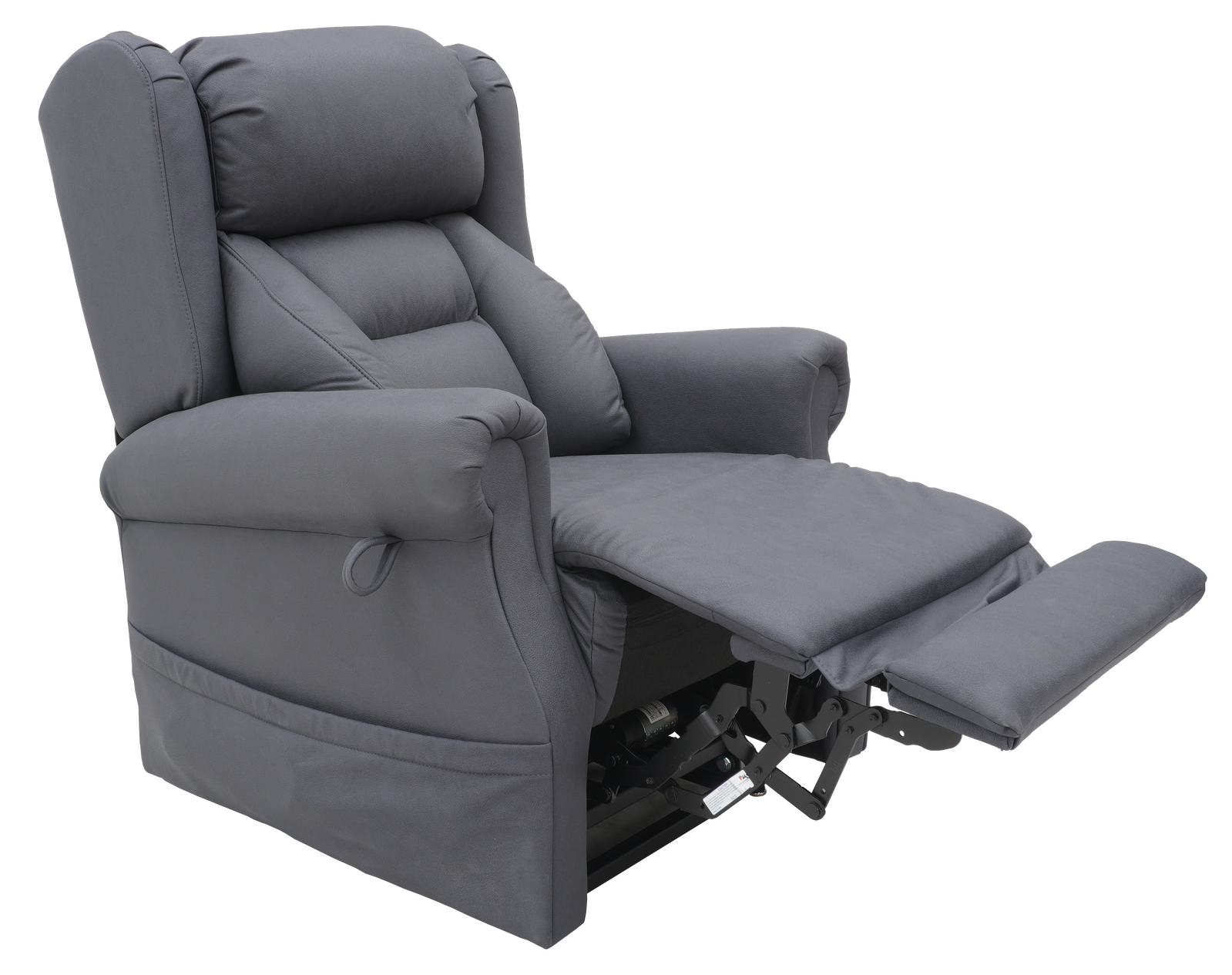
A lift chair can quickly become part of a person’s everyday routine. It may help someone stand with more confidence, rest more comfortably, elevate their legs, or manage postural support for longer periods of sitting at home.
Because lift chairs are used so often, they need the same kind of care and attention as other mobility equipment and assistive technology. The motors, hand control, frame, upholstery and moving parts all work together to support safe, smooth movement. When one part starts to wear or respond differently, it can affect comfort, usability and safety.
Good lift chair maintenance helps keep the chair working as intended. It can also uncover small issues before they become bigger repairs, reduce avoidable downtime and help determine whether parts need replacing.
We understand how important reliable equipment is. A lift chair isn’t just a piece of furniture: for many people, it supports posture, daily movement and independence at home.
Why lift chair maintenance matters
Lift chairs are designed to support everyday sitting, reclining and sit-to-stand movements. Many models use powered motors to raise the chair, recline the backrest, lift the legrest, and support extra adjustments like a headrest or lumbar positioning.
The movement needs to stay smooth and predictable. If the chair becomes noisy, slow, uneven, or difficult to control, the user may start compensating without realising it. They might shift their weight awkwardly, push harder through their arms, or avoid using certain functions.
Regular lift chair maintenance helps protect the chair’s safety and usability. It gives a technician the chance to check how the chair performs, look for wear, inspect key components and advise whether anything needs attention.
This matters because lift chairs often support people with reduced mobility, balance concerns, pain, fatigue, or difficulty moving from sitting to standing. A chair that works properly can make transfers feel more controlled, whereas a chair that’s not performing well can make daily routines harder than they need to be.
Maintenance also supports long-term value. A lift chair is an important investment, and simple care can help protect the motors, upholstery and frame from unnecessary wear.
What daily lift chair care should involve
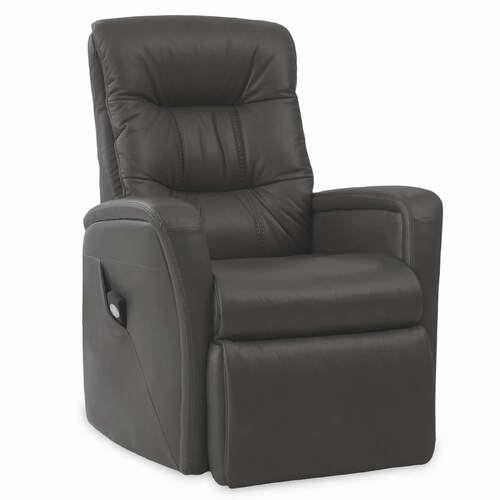
Daily care starts with paying attention to how the chair looks, feels and moves. Before using the chair, check that the area around it is clear. Make sure there are no rugs, power cords, shoes, pet toys, walking aids or furniture items blocking the lift, recline movement, or leg elevation. A lift chair needs enough space to move safely through its full range.
It’s also important to make sure the lift chair is positioned on a flat, stable surface. Some wobble can occur if the chair has moved, if the floor is not completely level, or if the adjustable feet have not been set correctly. Not all lift chairs have adjustable feet, but many do, and they may need to be adjusted if the chair is moved to a different position in the room.
Check that all chair feet are sitting on the same surface. For example, if one foot is on a mat and the others are on hard flooring, the chair may feel unstable. If the chair wobbles after being moved, reposition it and check whether the feet need adjusting before resuming regular use.
It’s also worth checking the power cord and hand control position. The cord should not be placed where it can be pulled, pinched, crushed or tripped over. The hand control should be easy to reach without the user having to twist or lean.
When operating the chair, encourage gentle control use. Press one button at a time and allow the chair to complete the movement. Repeatedly pressing different buttons or forcing the chair to change direction quickly can, over time, place extra strain on the motors and mechanisms.
Users, family members and support workers should also listen for changes. A lift chair that suddenly becomes louder, jerky, slower, uneven or unstable may need attention. These small changes can be early signs that the chair needs adjustment, repair or replacement.
How to care for lift chair upholstery

Upholstery care is a key part of lift chair maintenance because the surface is used every day. The right care routine depends on the chair material, so always follow the manufacturer’s instructions for the specific model.
For fabric lift chairs, regular vacuuming can help remove dust, crumbs and loose debris. A soft brush attachment is usually best, as it can clean the surface without being too harsh. Spills should be addressed quickly before they soak into the fabric.
For genuine leather lift chairs, wipe away dust and light spills with a soft, damp cloth. Avoid soaking the surface or using harsh cleaning products. Leather may also need occasional conditioning with a suitable leather care product to help maintain its feel and finish.
For specialist vinyl or pressure care upholstery, hygiene is especially important. These materials may be used in home care, aged care or clinical environments where cleaning needs are more frequent. Follow the chair’s cleaning guide closely and avoid products that could damage the material or reduce its performance.
Upholstery should also be checked for cracking, tearing, stretching, worn seams or loose stitching. Damage to the chair surface can affect comfort and hygiene. It may also increase the risk of pressure injuries for people who sit for long periods.
For more information, view our blog: Shopping Guide: Lift Chair Upholstery Options & Care Considerations
What to check around the motor and moving parts
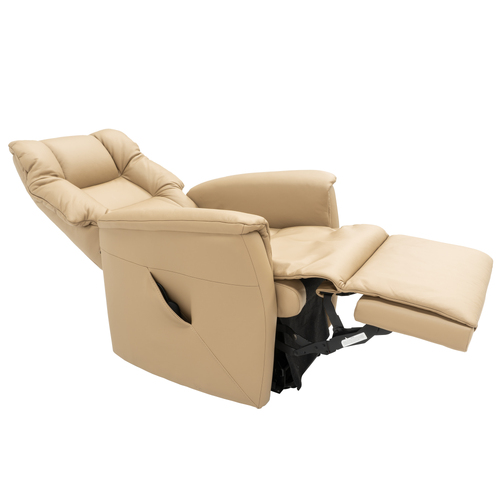
Lift chair motors do important work: they control the lifting and reclining actions that help the chair move smoothly and safely.
Most users don’t need to inspect internal parts themselves. In fact, they should avoid trying to open motor housings, repair electrical components or adjust mechanisms without the right training. However, there are still simple signs they can look out for.
- Pay attention to how the chair moves. A well-functioning lift chair should move smoothly, without sudden jolts, grinding sounds or uneven movement. If the chair hesitates, stops unexpectedly or moves more slowly than usual, it is worth organising a service check.
- The hand control should also respond properly. Buttons should not stick, feel loose or need extra pressure to work. If a button becomes unreliable, the user may not be able to move the chair to the correct position when needed.
- Cables should remain intact and secure. If a cable looks frayed, bent, exposed, crushed or loose, stop using the chair and arrange professional support. Electrical safety matters, especially for everyday home equipment.
If you are handy, lubricating specific moving parts in the chair’s mechanism can help prolong its life and reduce wear before small issues become larger repairs. Always follow the manufacturer’s instructions and use only a suitable lubricant at the recommended mechanical points. Avoid motor housings, electrical parts and wiring, and arrange professional servicing if you are unsure where lubrication is needed.
How regular servicing helps keep lift chairs safe and comfortable
General servicing gives the chair a more thorough check than day-to-day care can provide. A technician can:
- Check the chair’s lift and recline functions
- Test the hand control
- Check wiring
- Review key mechanical parts
- Look for signs of wear
- Identify whether parts like control components, cables, actuators, batteries or other fittings may need replacing.
This kind of service can help uncover issues early. For example, a motor may still work but sound different under load. A cable may still be connected but show signs of wear. A mechanism may still move but require adjustment before it becomes a bigger problem.
Servicing also helps maintain usability. If a person relies on their lift chair several times a day, even a minor fault can significantly disrupt their routine. Regular checks reduce the risk of unexpected breakdowns and help keep the chair ready for daily use.
For families, support workers and care environments, servicing also supports confidence. It gives everyone a clearer understanding of whether the chair is performing as it should and whether any follow-up repairs are needed.
How often should a lift chair be serviced?
The right service schedule depends on the chair, how often it’s used and the user’s needs. As a general guide, a lift chair used every day should have regular professional checks. If the chair supports frequent transfers, longer sitting periods or higher care needs, it may need closer attention.
Chairs used in shared environments, like retirement villages, may also need a more structured maintenance plan.
Always follow the manufacturer’s recommendations for servicing and care. These instructions are designed around the chair’s specific components, materials, and safe-use requirements.
You should also book a service sooner if something changes. Don’t wait for a scheduled service if the chair is making unusual noises, moving unevenly, stopping mid-motion, showing visible damage or becoming harder to operate.
A service should also be considered after the chair has been moved to a new home, transported between rooms, stored for a long period, or exposed to spills that may have affected electrical or mechanical components.
When to stop using a lift chair and ask for support
Some issues need immediate attention. Stop using the lift chair and book a service if:
- The chair doesn’t lift or recline correctly
- The movement feels jerky, uneven or unstable
- The chair makes grinding, clicking or unusual motor sounds
- The hand control isn’t responding properly
- Power cords or cables are damaged
- The chair smells like burning or overheating
- The frame, armrests or seat feel loose
- Upholstery damage affects comfort, hygiene or skin contact
- The chair has been exposed to significant liquid spills
These signs do not always mean the chair needs replacing. In many cases, a technician can inspect the chair and recommend the next step. The important thing is to avoid continuing to use equipment when it no longer feels safe, stable or predictable.
How to make a lift chair maintenance easier at home
A simple routine can make lift chair maintenance easier to manage. Start by keeping the chair clean and clear:
- Vacuum or wipe the upholstery regularly, remove crumbs and check the area around the base.
- Keep food and drinks stable when using the chair, especially for fabric upholstery or electrical components nearby.
- Check the hand control at the same time each week. Make sure every button works as expected and that the cable has not become twisted, trapped or stretched.
- Look over the chair after cleaning. Check for loose stitching, worn fabric, scratches, cracks, stains, sagging or changes in cushioning. These may seem small, but they can affect comfort and increase pressure injury risk when a person sits for many hours.
- Keep the chair in a suitable position in the room. It needs enough clearance behind and in front to recline and lift without hitting walls or furniture.
- If the chair is moved, test its full range of motion before daily use resumes.
It can also help to keep a short maintenance record. Note the purchase date, service dates, any repairs, part replacements and changes in performance. This makes it easier to explain the issue clearly if you need technical support later.
What parts need replacing over time?
Like any powered equipment, some lift chair parts can wear with regular use. For example, the hand control may need to be replaced if the buttons stop responding or become unreliable. Power cables may need attention if they become damaged or loose. Motors and actuators may need servicing or replacement if the lift or recline function becomes slow, noisy or uneven.
Upholstery can also wear over time. Fabric may become stained, stretched or worn through. Leather may need conditioning and repair if it dries or cracks. Specialist upholstery may need professional advice if the surface becomes damaged in a way that affects hygiene or pressure care.
Cushioning and support surfaces should also be monitored. If the seat begins to sag or no longer properly supports the user, comfort and posture can be affected. For people who sit for long periods, changes in cushioning shouldn’t be ignored.
Part replacement should always be guided by a qualified technician or the manufacturer’s recommendations. This helps ensure the chair remains safe, compatible and suitable for the person using it.
Choosing the right lift chair also supports easier maintenance
Maintenance starts before the chair arrives at home. Choosing the right lift chair for the person, home, and daily routine can make care easier from the beginning.
A chair with the right seat size, seat depth and support can reduce unnecessary strain on the user and the equipment. The right motor configuration can also make daily positioning easier. For example, some users only need simple lift-and-recline support, while others benefit from more independent control over the backrest, legrest, headrest, or lumbar area.
Upholstery choice matters too. Fabric can feel soft and warm, but may need more frequent cleaning if spills are likely. Leather can be easier to wipe clean and may suit users who want a durable, premium finish. Specialist pressure care upholstery may suit people who sit for longer periods or need extra hygiene and pressure management support.
The best option depends on the user’s body, mobility, skin needs, support routines and home environment. A chair that fits well and suits daily use will usually be easier to look after.
Keep your lift chair safe, comfortable and ready for daily use
Lift chair maintenance is about more than keeping the chair clean. It helps protect safety, comfort, usability and long-term performance, especially when the chair supports daily transfers, reclining and rest.
Daily checks can help you notice changes early, while regular servicing can uncover issues before they become larger repairs. A technician can inspect the lift and recline functions, check key components, identify wear and recommend whether any parts need replacing.
At Active Mobility, we offer servicing, maintenance and repairs to help keep your equipment working as it should. If your lift chair sounds different, moves unevenly, responds slowly or no longer feels as supportive, our team can assess the chair and guide you on the next step.
Explore our lift chair range online, visit a showroom, or speak with Active Mobility about service and repair support for your lift chair.