

 02 9649 2111


 17 Aug 2026
 Lucinda Blundell
We're supporting Brain Injury Awareness Week with our campaign theme:"Small supports. Big steps forward." Because while no two journeys are the same, practical support can make a meaningful difference in helping people participate in daily life.
Share

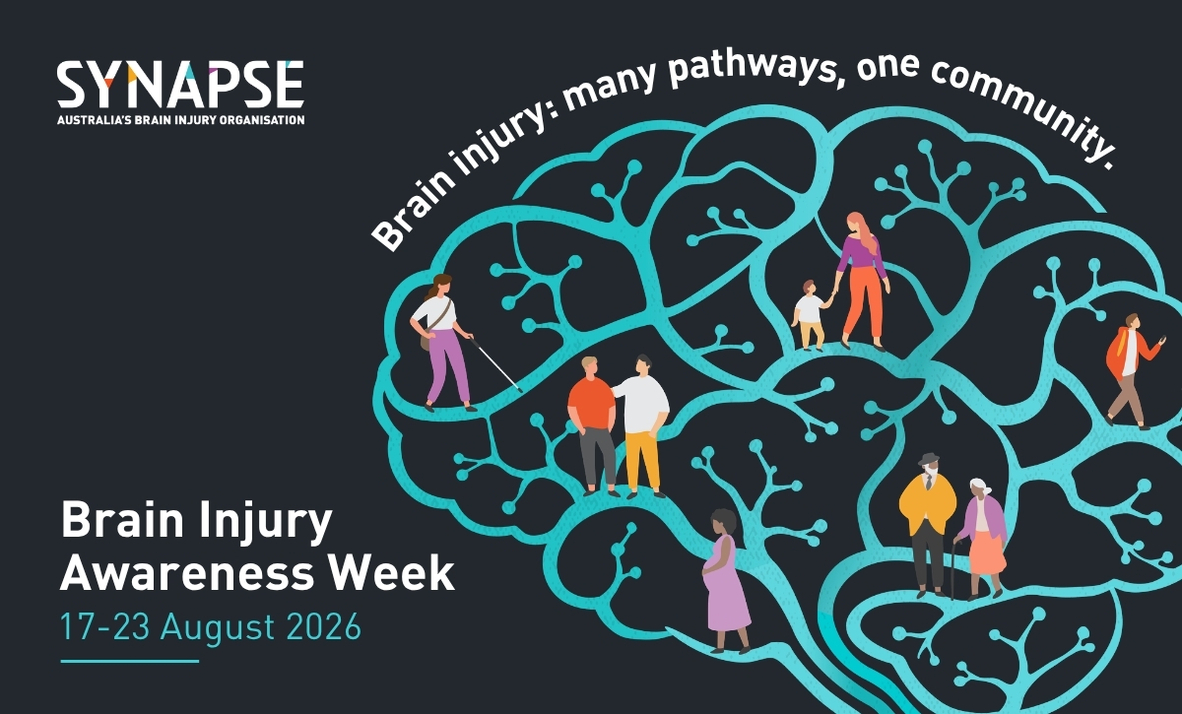

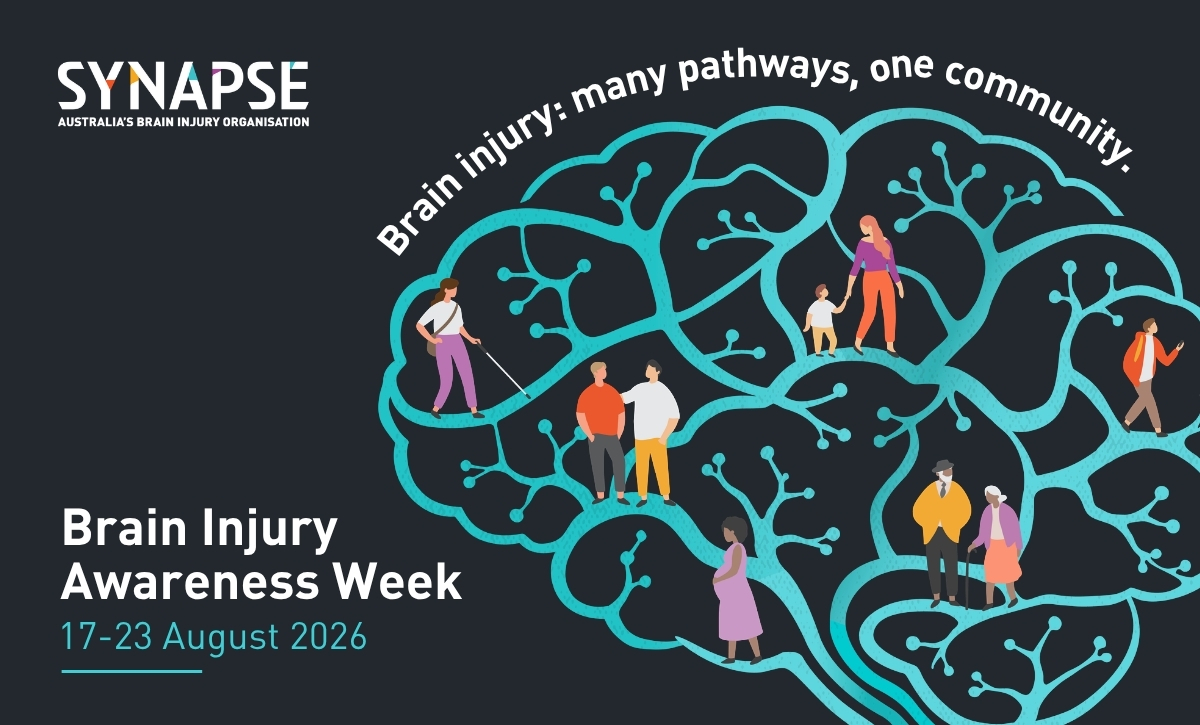
17-23 August 2026 marks Brain Injury Awareness Week, a national initiative led by Synapse to increase understanding of #BrainInjury and its impact across Australia. This year's theme,"Brain Injury: Many Pathways, One Community," recognises that every person's experience is unique, while highlighting the importance of connection, support, and inclusion.
At Active Mobility Systems (AMS), we're supporting Brain Injury Awareness Week with our campaign theme:"Small supports. Big steps forward." Because while no two journeys are the same, practical support can make a meaningful difference in helping people participate in daily life with greater comfort, confidence, and dignity.
Understanding Brain Injury
Brain injury can affect people in many different ways. Some individuals may experience changes in mobility, balance, coordination, fatigue, memory, communication, behaviour, or daily routines. For others, the impacts may be less visible but equally significant.
The challenges a person experiences can also change over time. Tasks that were once simple, such as getting out of bed, preparing a meal, showering independently, or participating in community activities, may require additional planning, energy, or support.
That's why awareness matters. Greater understanding helps reduce stigma, encourages inclusion, and ensures people living with brain injury have access to the support, services, and communities they need.
Small Supports Can Make a Big Difference.
When we think about rehabilitation and support after brain injury, it's easy to focus on major milestones. However, daily life is often shaped by smaller moments: moving safely from bed to chair, managing fatigue throughout the day, maintaining comfort while resting, or participating in family and community activities.
The right equipment and environmental supports can help make these everyday activities safer and more manageable.
Depending on individual needs, supports may include:
-
Mobility equipment to assist with movement and participation
-
Transfer aids to support safer movement between beds, chairs, wheelchairs, and bathroom spaces
-
Seating and positioning solutions to improve comfort and postural support
-
Pressure care products that assist with comfort during prolonged sitting or lying
-
Bathroom safety equipment that supports independence and reduces risk
-
Daily living aids that simplify routine tasks
-
Carer handling solutions that help reduce physical strain on support teams and family members
Importantly, there is no one-size-fits-all approach. The most effective solutions are those that align with a person's goals, environment, abilities, and support requirements.
Supporting Carers and Clinicians
Families, carers, occupational therapists, physiotherapists, rehabilitation teams, support coordinators, and disability support workers all play a vital role in supporting people living with brain injury.
As recovery, mobility, fatigue levels, and routines change, support needs may change too. Brain Injury Awareness Week provides an opportunity to review whether current equipment and supports continue to meet an individual's needs.
Some helpful questions to consider include:
-
Is moving around the home becoming more difficult or tiring?
-
Have transfer needs changed?
-
Is seating still providing adequate comfort and support?
-
Are there signs that bathroom safety could be improved?
-
Is fatigue affecting participation in meaningful activities?
-
Are carers experiencing increased physical demands during daily routines?
Regular reviews can help ensure supports remain appropriate and continue to promote safety, participation, and quality of life.
Focusing on Dignity, Choice and Participation
Brain Injury Awareness Week is ultimately about people, not diagnoses.
It's about recognising the goals, strengths, relationships, and aspirations of people living with brain injury. It's about creating environments where individuals can participate in the activities that matter to them, maintain meaningful roles, and continue making choices about their daily lives.
Sometimes, progress comes through significant achievements. Other times, it comes through the cumulative impact of small supports that make everyday life more comfortable, accessible, and manageable.
Every step forward matters.
How Active Mobility Can Help
At Active Mobility, we work alongside individuals, families, carers, support coordinators, and clinicians to identify practical mobility and daily living solutions that support comfort, safety, and participation.
This Brain Injury Awareness Week, we encourage you to take a moment to learn more about brain injury, start conversations, and consider whether changes in mobility, comfort, or daily routines may indicate a need for additional support.
Because small supports can help create big steps forward.
For more information about Brain Injury Awareness Week, visit the Synapse Brain Injury Awareness Week campaign page: Learn more about Brain Injury Awareness Week.