

 02 9649 2111


 12 Nov 2026
Share


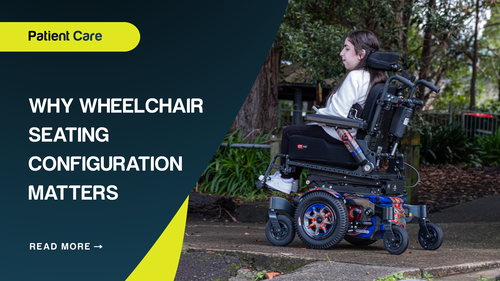
Seating configuration refers to how an electric wheelchair's seat, backrest, cushion, and supports are arranged around your body. When it's right, the chair protects your skin, holds you in a stable position and lets you move and transfer with less effort. When it's wrong, even the most capable power base can leave you poorly positioned and at risk of pressure injuries.
Good wheelchair seating is never one-size-fits-all. Here's what goes into it, from custom measurements to choosing the right cushion, and why an individual assessment makes such a difference.
What does seating configuration mean in an electric wheelchair?
In an electric wheelchair, the power base gets you where you're going, while the seating system decides how you are positioned and function once you're there. Seating configuration covers every part that touches or supports your body:
- Seat width, seat depth and seat-to-floor height
- Backrest height, shape and angle
- The cushion, plus any back, lateral, head or pelvic supports
- Footplate and armrest heights
- Powered positioning features such as tilt, recline, elevating leg rests and seat elevation (vertical lift)
Many of our electric wheelchairs offer adjustable seating. For people who need custom wheelchair seating, scripted electric wheelchairs are custom-built around individual requirements, so the chair is made to fit the person rather than the other way around.
Why do custom measurements matter for wheelchair seating?
A chair that doesn't match your body makes you compensate in your posture, and those small adjustments add up over hours of sitting. European Wound Management Association’s 2026 guidance on seating sets out how each measurement can work against you when it's off:
- Seat too deep: you lean back and slide forward into a slumped, 'sacral sitting' posture, which loads the base of the spine and increases shearing on the skin
- Seat too shallow: less of your thigh carries your weight, so more pressure lands under the pelvis, which can significantly increase your pressure injury risk.
- Seat too wide or too narrow: too wide leaves you holding yourself up without side support for long periods, while too narrow presses your hips against the sides of the chair.
- Footplates too low or too high: low footplates encourage forward sliding, while high footplates lift your thighs and shift more weight onto your sitting bones (Ischial tuberosities - also known as ITs).
Measurements also change. Changes in weight or posture mean seating needs to be reviewed over time, and the World Health Organisation's wheelchair provision guidelines place personalised assessment, fitting, training and ongoing follow-up at the centre of good wheelchair provision.
How does the right cushion help with pressure care?
A pressure injury (also called a pressure sore or pressure ulcer) is damage to the skin and tissue underneath, caused by reduced blood flow. Johns Hopkins Medicine explains that they often form where skin is compressed between bone and a surface, like a wheelchair seat, and can develop within a few hours without movement or repositioning.
Your cushion sits between your sitting bones and the seat, so its job goes well beyond comfort. In a randomised clinical trial of wheelchair seat cushions, older adults in aged care who were given a fitted wheelchair and a pressure-relieving cushion developed far fewer pressure injuries over their sitting bones than those using standard segmented foam: 0.9% compared with 6.7% over six months.
Choosing a wheelchair pressure cushion
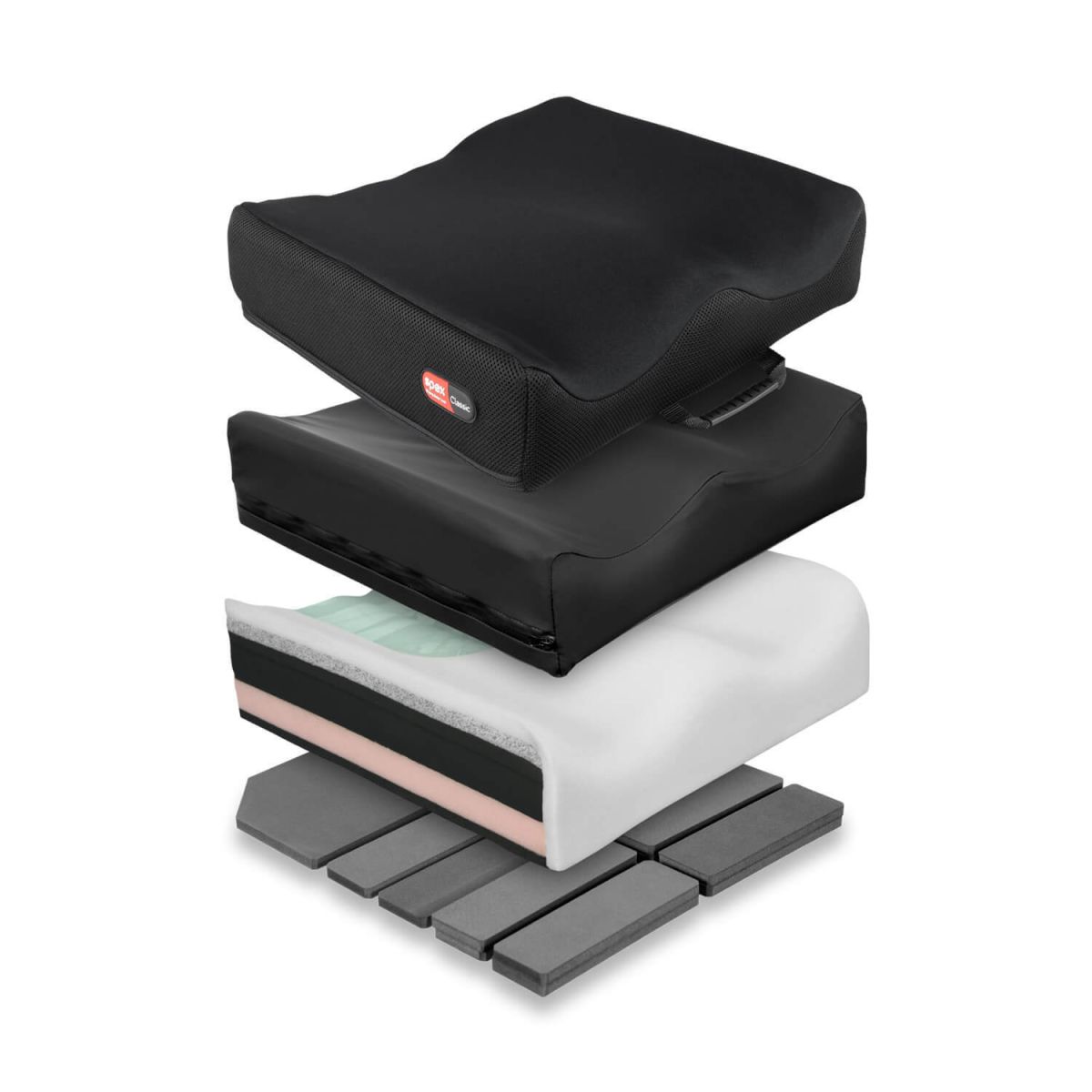
A wheelchair pressure cushion is designed to distribute your weight and reduce peak pressure on bony areas, making it a core part of pressure injury prevention. Common options include:
- Air cushions with interconnected cells that adjust as you move
- Gel and foam cushions, with a contoured foam base and gel under the pelvis
- Contoured foam cushions that support posture as well as skin integrity
- Adjustable or custom-shaped cushions for more complex positioning needs
The best pressure care cushion for you depends on your skin history, posture, transfers and how often you can shift your weight. Explore our range of wheelchair cushion systems to compare options, then trial them with your therapist before you decide.
Why posture and supports work together
A stable, well-supported pelvis is the foundation for everything above it, from your trunk and head to how easily you use your arms and joystick. When the pelvis twists or slides, the rest of the body follows.
A follow-up trial from the same research team found pelvic rotation was a significant predictor of pressure injuries. Both groups in that study used pressure-relieving cushions and had similar pressure injury rates, but people whose wheelchairs were individually configured through a comprehensive seating assessment functioned more safely in their chairs.
Back supports, lateral supports, headrests, and pelvic belts help maintain proper posture throughout the day. Our posture and back supports range shows the types of support an Occupational Therapist may recommend as part of your seating configuration.
How tilt in space and recline relieve pressure
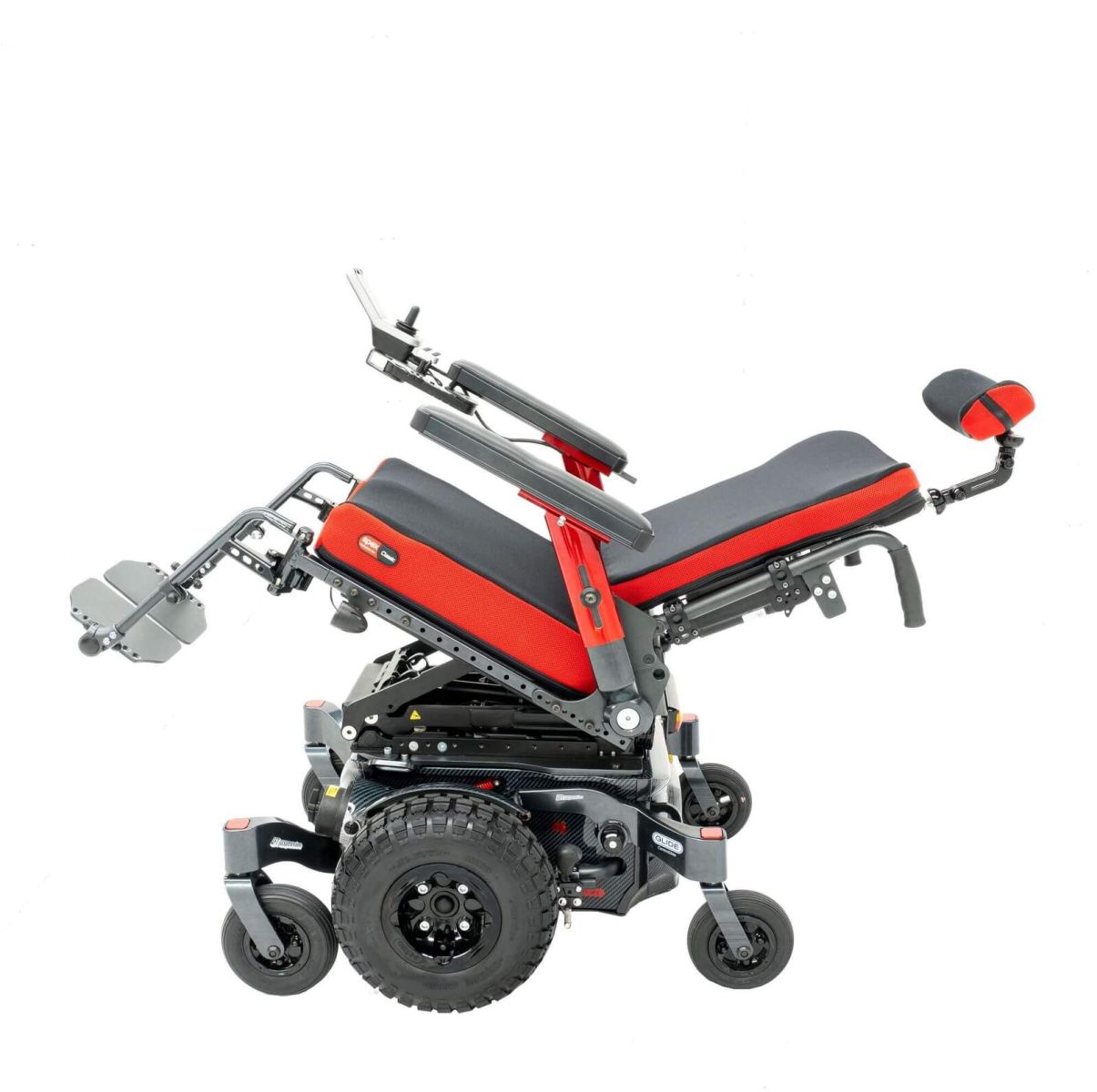
Many people relieve pressure by leaning forward or side to side throughout the day. If you can't shift your weight on your own, powered positioning lets the chair do it for you.
Wheelchair tilt in space tips the whole seat backwards while keeping your hip and knee angles the same, moving the load off the pelvis. Recline opens the angle between the seat and backrest, and pressure-relief guidance from the Model Systems Knowledge Translation Centre notes that tilt and recline give the most relief when used together.
The Rehabilitation Engineering and Assistive Technology Society of North America (RESNA) describes tilt, recline and elevating leg rests as often medically necessary. Its position papers link them to realigning posture, supporting breathing and bladder and bowel function, managing swelling and redistributing pressure. Both sources stress that the angles and routine should be set with a clinician, as using these features incorrectly can cause injury.
Seat elevation or vertical lift is also worth discussing. It lifts you to eye level for conversations and helps you reach benches and shelves around the home.
What happens in an electric wheelchair seating assessment?
The best wheelchair seating starts with a conversation about your body, your routine and where you'll use your chair. An Occupational Therapist or physiotherapist usually leads the assessment, looking at your posture, skin, transfers and driving needs before taking the measurements that become your configuration.
If you're an NDIS participant, the assessment is also part of the funding process. Under the NDIS assistive technology guidelines, high-cost items over $15,000 are treated as complex, require an individual assessment, and generally require a quote, with a custom-made wheelchair as an example. As a registered provider, we can talk you through NDIS funding for mobility equipment.
Trying a set-up before you commit makes a real difference. Our team includes Occupational Therapists, and we set up trial equipment to suit your requirements at our showroom or in your own home. You can request an equipment trial to see how a configuration feels in everyday life.
Get your electric wheelchair seating right from the start
Seating configuration is what turns an electric wheelchair from a way of getting around into a chair you can comfortably live in. When the measurements fit and the cushion suits your skin, the chair does more of the work of protecting you, so you can focus on your day.
Browse our electric wheelchairs online, or book a showroom appointment to talk through your seating with our team! Alternatively, contact us for more information about electric wheelchair seating configurations and assessments with our Occupational Therapy team.