


 02 9649 2111


 12 Jan 2026
 Victor Hu
Share




A mobility scooter gives you independence, confidence, and the ability to move through your day with ease. But none of that works without a reliable battery.
Battery issues are one of the most common reasons people experience reduced performance or unexpected downtime with their scooter. The good news is that many of these issues are preventable. With the right habits and basic maintenance, you can significantly extend your mobility scooter’s battery life and keep it performing as it should.
This guide breaks down what actually makes a difference. It focuses on practical, everyday steps you can take, whether you use your scooter daily or every now and then.
Tip #1: Understand how your mobility scooter battery works
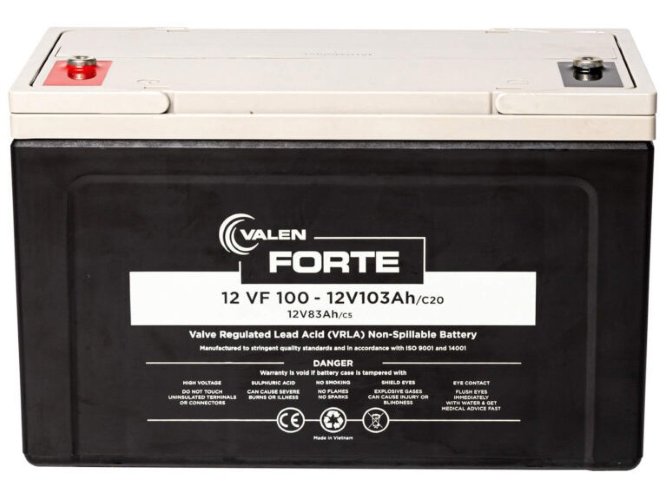
Most mobility scooters use sealed lead-acid batteries or lithium batteries. Both are designed to deliver consistent power over time, but they rely on proper charging and regular use to stay healthy.
Unlike car batteries, mobility scooter batteries are designed for deep-cycle use. This means they discharge and recharge regularly. When charging habits or storage conditions are poor, the battery's internal capacity slowly decreases.
Once capacity is lost, it cannot be restored. That is why good habits from day one matter.
Tip #2: Follow best practices for charging your mobility scooter
Charging is the single biggest factor affecting battery life. Many battery failures are not caused by faults. They are caused by undercharging, over-discharging, or inconsistent charging routines.
Best practice charging habits include:
- Charge your mobility scooter after every use.
- Avoid letting the battery run flat.
- Use only the charger supplied with your scooter.
- Allow the battery to fully charge before unplugging.
- Keep the charger connected until the charge cycle completes.
Remember: even short trips use power. Leaving the battery partially depleted day after day reduces overall capacity. A full recharge after each use helps maintain battery health.
It is also important to plug the charger into the wall first, then connect it to the scooter. This helps prevent electrical surges that can damage charging components.
Tip #3: Avoid common charging mistakes that shorten battery life
Small mistakes can quietly reduce battery lifespan over time.
Some of the most common issues include:
- Leaving the scooter uncharged overnight after use.
- Unplugging the charger before the cycle finishes.
- Using a third-party charger.
- Storing the scooter with a flat battery.
- Charging in very hot or very cold environments.
If your scooter is stored in a garage or shed, be mindful of temperature extremes. Batteries charge best in stable, moderate conditions.
Tip #4: Store your mobility scooter correctly when not in use
Storage has a direct impact on battery performance, especially if your scooter is not used every day. Batteries naturally self-discharge over time. If left unattended for weeks or months, they can drop to a critically low level.
Good storage practices include:
- Storing the scooter in a dry, well-ventilated space.
- Avoiding direct sunlight.
- Protecting the scooter from moisture and humidity.
- Keeping the battery charged during storage.
If your scooter is not being used regularly, recharge it every two to three weeks. This prevents deep discharge and helps preserve the battery's internal capacity.
Tip #5: Keep your mobility scooter clean and dry
Cleaning your scooter does more than improve appearance. It protects electrical systems that support battery performance. Dust, dirt, and moisture can interfere with:
- Battery terminals
- Charging ports
- Electrical connections
Over time, this resistance forces the system to work harder, increasing the battery's power draw.
Simple maintenance habits include:
- Wiping down the scooter frame weekly.
- Keeping the charging port clean and dry.
- Drying the scooter after wet weather use.
- Avoiding high-pressure water when cleaning.
If you use your scooter outdoors often, regular cleaning becomes even more important.
Tip #6: Maintain correct tyre pressure for better efficiency
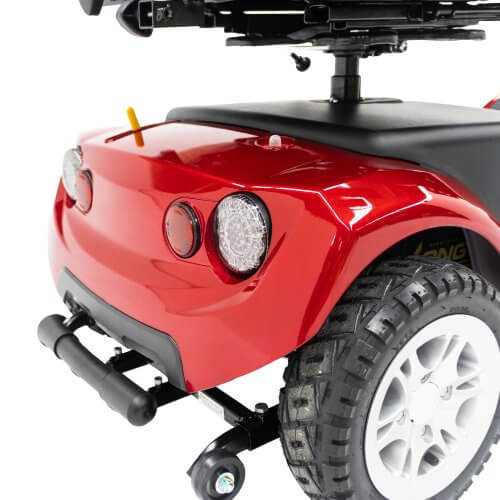
Tyre pressure is often overlooked, but it plays a major role in battery efficiency. Underinflated tyres create extra rolling resistance. This forces the motor to draw more power to maintain speed, which drains the battery faster.
To maintain efficient tyre performance:
- Check tyre pressure regularly.
- Inflate tyres to the manufacturer’s recommended level.
- Inspect tyres for wear or damage.
- Replace worn tyres when required.
Correct tyre pressure improves range, reduces motor strain, and delivers a smoother ride.
Tip #7: Adjust how you drive to reduce battery strain
Your driving habits directly affect battery consumption. Heavy acceleration, frequent stopping, and steep terrain all increase power demand. While scooters are designed to handle these conditions, reducing unnecessary strain can extend battery life.
Battery-friendly driving tips include:
- Accelerate smoothly.
- Maintain steady speeds where possible.
- Reduce speed on longer journeys.
- Avoid carrying unnecessary weight.
- Plan routes to minimise steep inclines.
If your scooter offers adjustable speed settings, using a lower speed for longer trips can significantly improve battery efficiency.
Tip #8: Use your mobility scooter regularly
Batteries perform best when they are used consistently. Long periods of inactivity can lead to internal degradation, particularly in lead-acid batteries. Regular use helps maintain chemical balance inside the battery cells.
If you do not need your scooter daily, aim to use it at least once a week. Even a short trip followed by a full recharge helps keep the battery healthy.
Tip #9: Pay attention to early warning signs
Battery issues rarely appear overnight. Most give warning signs first.
Common signs of declining battery performance include:
- Reduced travel range
- Slower acceleration
- Loss of power on slopes
- Longer charging times
- Inconsistent performance between charges
Addressing these signs early can prevent further strain on the scooter’s motor and electronics.
Tip #10: Know when battery replacement is the right option
No battery lasts forever. Even with excellent care, mobility scooter batteries have a finite lifespan. Continuing to use a failing battery can impact safety and performance.
Replacing a battery at the right time:
- Restores range and reliability.
- Reduces stress on the motor.
- Improves overall scooter performance.
- Prevents unexpected breakdowns.
If you are unsure whether your battery needs replacing, a professional assessment can provide clarity and peace of mind.
Tip #11: Choose a mobility scooter designed for efficient battery use
Battery care is only part of the equation. Scooter design also matters.
Factors that influence battery efficiency include:
- Motor efficiency
- Scooter weight
- Load capacity
- Terrain suitability
- Battery size and quality
Scooters designed for daily use and outdoor conditions are often engineered to deliver more consistent battery performance when maintained correctly. When choosing a mobility scooter, consider how far you travel, how often you use it, and the terrain you navigate. Selecting the right model reduces battery strain from the start.
Tip #12: Book regular servicing to protect battery performance
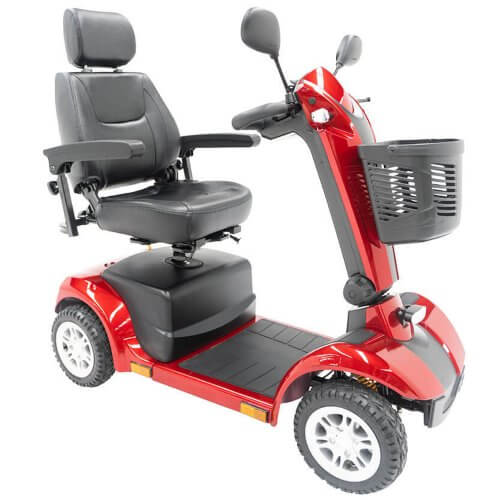
Regular servicing is important for maintaining battery health and overall scooter performance.
While daily care is done at home, professional servicing helps identify issues you may not notice. Small problems, such as loose connections or early battery wear, can quietly reduce efficiency long before performance drops noticeably.
During a scheduled service, trained technicians can:
- Check battery condition and charging performance.
- Inspect electrical connections and charging ports.
- Assess motor efficiency and power draw.
- Review tyre condition and pressure.
- Identify wear that may increase battery strain.
Addressing these issues early helps prevent unnecessary battery stress and extends your scooter's working life.
Whether your scooter is used daily or occasionally, regular servicing helps ensure it continues to perform as expected and supports consistent battery performance. Booking routine maintenance also provides peace of mind, especially before periods of increased use or longer outings.
Proper battery care can extend your battery life and support everyday freedom
By following proper charging habits, maintaining tyre pressure, storing your scooter correctly, adjusting your riding style, and booking regular servicing, you can significantly extend battery life and maintain strong performance over time.
If you have any questions about mobility scooter batteries, charging, or performance, the team at Active Mobility is here to help. You can also book your regular service or repair with us to keep your scooter running safely, efficiently, and reliably.